Design World

  • Home
  • Technologies
    • 3D CAD
    • Electronics • electrical
    • Fastening & Joining
    • Factory automation
    • Linear Motion
    • Motion Control
    • Test & Measurement
    • Sensors
    • 流体动力
  • Learn
    • Ebooks / Tech Tips
    • Engineering Week
    • Future of Design Engineering
    • MC² Motion Control Classrooms
    • Podcasts
    • Videos
    • Webinars
  • LEAP AWARDS
  • 领导
    • 2022 Voting
    • 2021 Winners
  • Design Guide Library
  • Resources
    • 3D Cad Models
      • PARTsolutions
      • TraceParts
    • Digital Issues
      • Design World
      • EE World
    • Women in Engineering
  • Supplier Listings

FAQ: What’s the difference between variable-reluctance linear and hybrid linear steppers?

ByZak Khan|July 21, 2015

Share

True Linear Stepper Motors

Linear motors come in different mechanical and electromechanical arrangements to satisfy the requirements of different applications. For example, brushless linear motors (capable of forces to 2,600 N or more) work well in heavy robotics or material-handing applications. Linear ac-induction motors output 2,000 N to satisfy heavy-conveyor parameters. In contrast, iron-core brushless linear motors deliver a whopping 15,000 N or more to satisfy the most grueling machine-tool tasks.

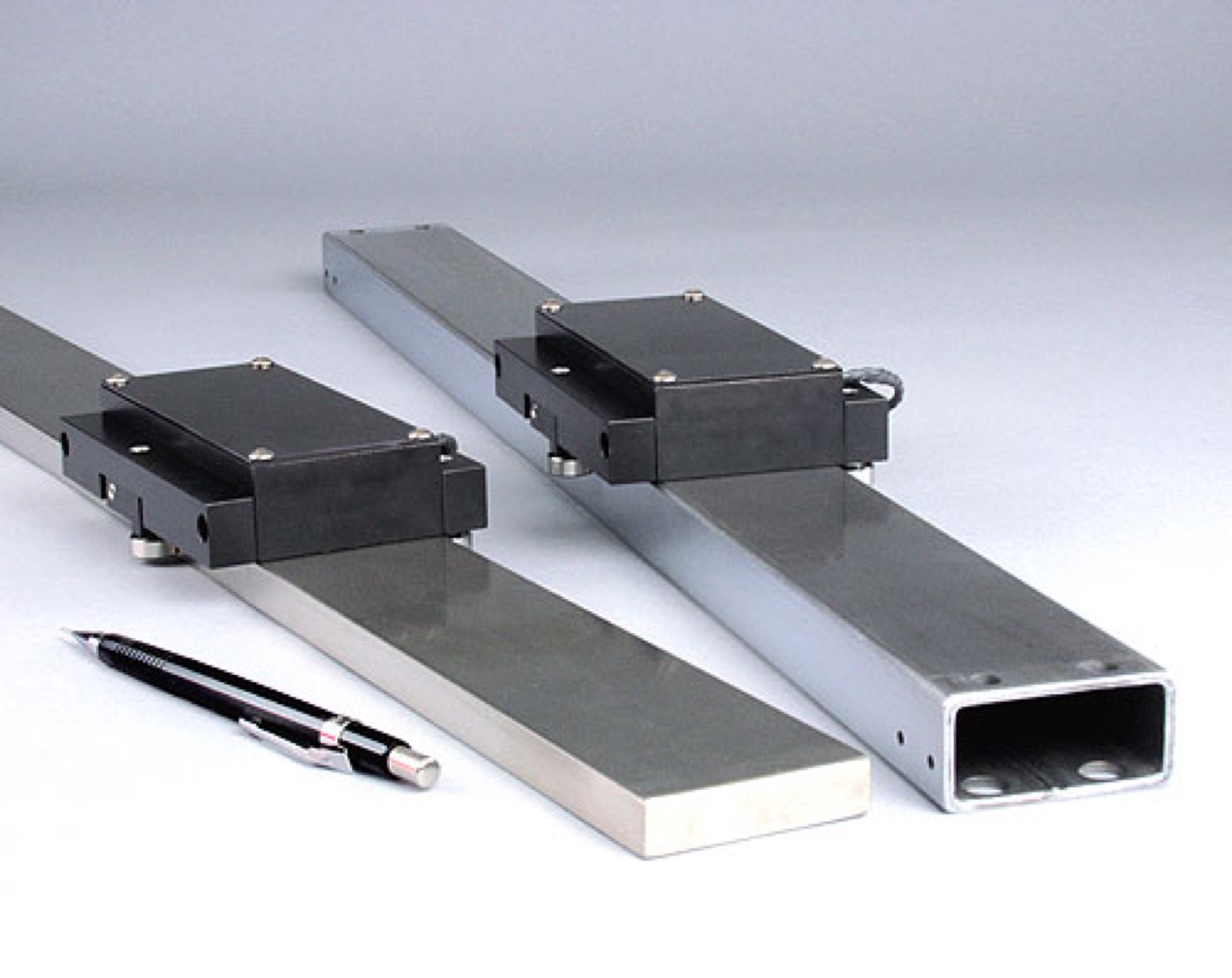
But the type of linear motor of focus here are linear stepper motors. True linear stepper motors (and not threaded-rod actuators driven by rotary stepper motors) come in two subtypes that output forces to 250 N—suitable for small robotics and part-transfer motors. For more on this, read:

  • FAQ: What is pole count and why does it matter?
  • FAQ: What are hybrid stepper motors?

The two subtypes—variable-reluctance and hybrid—operate much like the equivalent rotary versions.

Variable-reluctance linear stepper motors
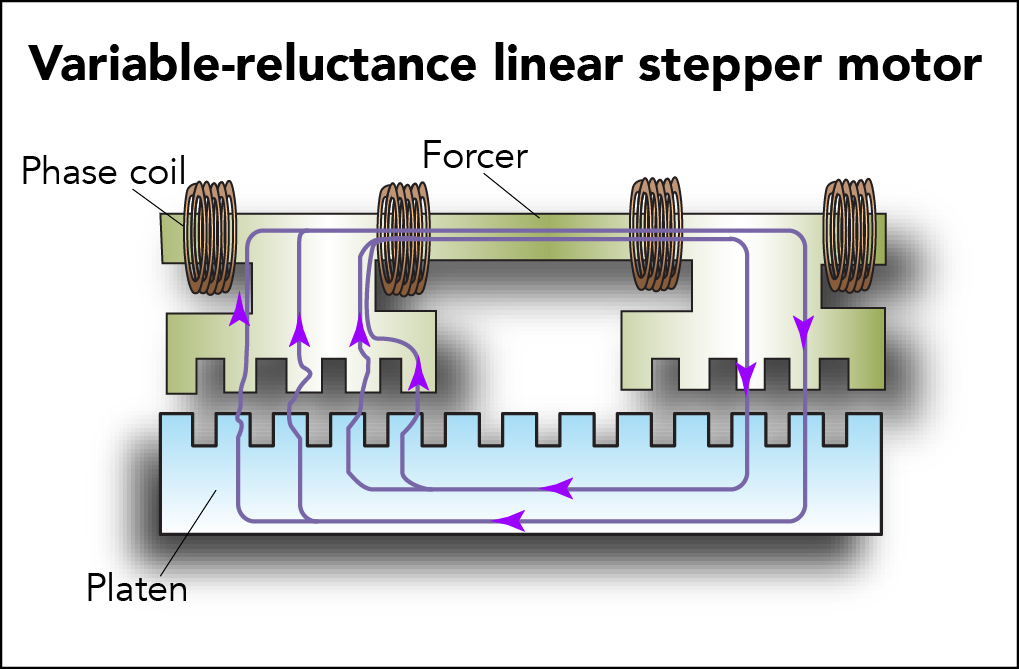
Variable-Reluctance Linear Stepper Motor

Variable-reluctance linear steppers usually run under three-phase closed-loop control. In short, a forcer with laminated magnetic steel stacks and coils engages a platen when a drive energizes the coils with pulse trains. Each branch (or phase) has one or more teeth; coils wind between the teeth. With no permanent magnets in the setup, the sole input is current.

Variable-reluctance linear stepper motors are an older technology than hybrid motors. Like rotary variable-reluctance stepper motors, variable-reluctance linear steppers can be noisy and are usually only run in full-step mode. But the motors have their own benefits:

  • Their platen-forcer electromagnetic coupling minimizes core losses.
  • They exhibit less torque drop at higher speeds.
  • They are less costly than hybrid linear steppers.

Hybrid linear stepper motors
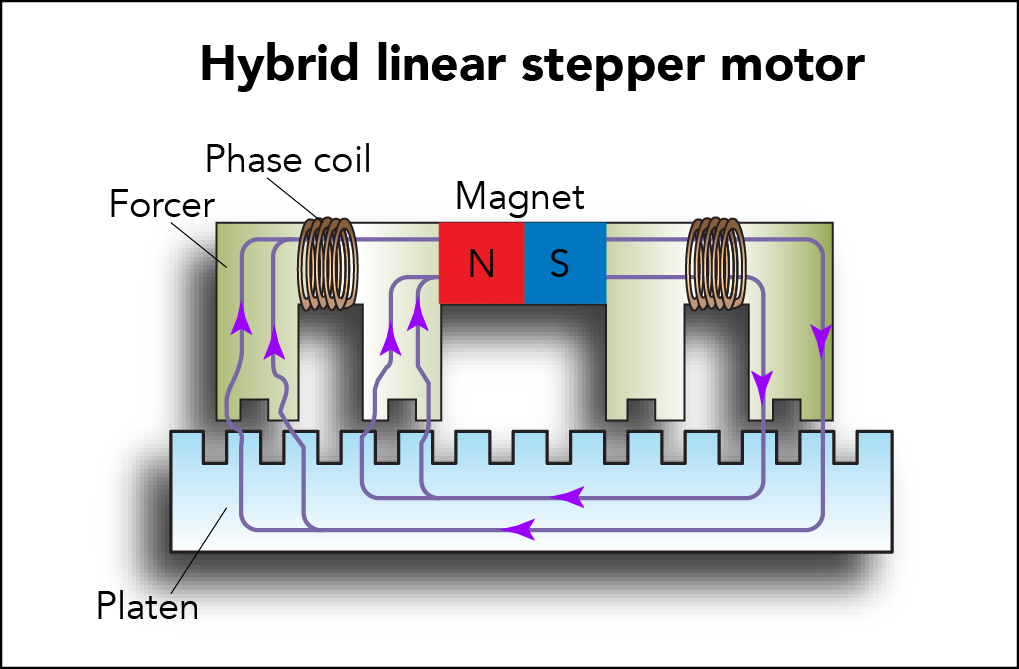
Hybrid Linear Stepper Motor

混合式直线步进电机有一个carriage-likemoving piece (which manufacturers call the forcer) and a stationary track (which manufacturers call the platen). The platen is like that in a variable-reluctance linear stepper. The forcer has permanent magnets, phase coils around magnetic U-shaped stacks, and a magnetic yoke. Each stack has two tooth bodies acting as forcer poles. Coils wind between the teeth. Each tooth body can have one or more teeth. A small gap separates forcer and platen.

Hybrid linear stepper motors have a high detent torque and can operate at high speeds. They drive linear axes in automation, computer peripherals, and robots because they’re accurate and accelerate rapidly. They’re also mechanically simple and reliable—usually with low inertia as well. Hybrid linear steppers usually run under two-phase open-loop control. Their main drawback compared to other types is a higher price point.

For more information, read:

Industrial-Electronics.com: Linear Electric Motors

H2W Technologies: Single-axis linear stepper motors

U.S. patent for variable-reluctance linear stepper motor

HIS Engineering 360: Chapter 3: AC and DC Motors – Servomotors: Linear Motors

Anaheim Automation: Stepper Actuator Guide

Motion Control Tips: Linear Stepper Motors from H2W Technologies

More information from Mark Wilson of H2W Technologies

Motion Control Tips


Filed Under:Motion Control Tips


Related ArticlesRead More >

Conveyors support the shift to just-in-case manufacturing
What are digital twins and how are they used in industrial manufacturing?
Stepper motors feature on-board drive and control
Motion Plus now distributing MICRONIX USA products

DESIGN GUIDE LIBRARY

“motion

Enews Sign Up

Motion Control Classroom

Design World Digital Edition

cover

Browse the most current issueof Design World and back issues in an easy to use high quality format. Clip, share and download with the leading design engineering magazine today.

EDABoard the Forum for Electronics

Top global problem solving EE forum covering Microcontrollers, DSP, Networking, Analog and Digital Design, RF, Power Electronics, PCB Routing and much more

EDABoard: Forum for electronics

Sponsored Content

  • 10 Reasons to Specify Valve Manifolds
  • Case study: How a 3D-printed tool saved thousands of hours and dollars
  • WAGO’s smartDESIGNER Online Provides Seamless Progression for Projects
  • Stop over-designing: How to save time and money with a light-duty ring
  • Five Reasons: The 2065 Connector is a Reliable Alternative to Manual Soldering
  • Disaster recovery in industrial automation starts with source control

Design World Podcasts

February 27, 2022
What’s next for additive software
See More >
Engineering Exchange

The Engineering Exchange is a global educational networking community for engineers.

Connect, share, and learn today »

Design World
  • Advertising
  • About us
  • Contact
  • Manage your Design World Subscription
  • Subscribe
  • Design World Digital Network
  • Engineering White Papers
  • LEAP AWARDS

Copyright © 2022 WTWH Media LLC. All Rights Reserved. The material on this site may not be reproduced, distributed, transmitted, cached or otherwise used, except with the prior written permission of WTWH Media
Privacy Policy|Advertising|About Us

Search Design World

  • Home
  • Technologies
    • 3D CAD
    • Electronics • electrical
    • Fastening & Joining
    • Factory automation
    • Linear Motion
    • Motion Control
    • Test & Measurement
    • Sensors
    • 流体动力
  • Learn
    • Ebooks / Tech Tips
    • Engineering Week
    • Future of Design Engineering
    • MC² Motion Control Classrooms
    • Podcasts
    • Videos
    • Webinars
  • LEAP AWARDS
  • 领导
    • 2022 Voting
    • 2021 Winners
  • Design Guide Library
  • Resources
    • 3D Cad Models
      • PARTsolutions
      • TraceParts
    • Digital Issues
      • Design World
      • EE World
    • Women in Engineering
  • Supplier Listings
We use cookies to personalize content and ads, to provide social media features and to analyze our traffic. We also share information about your use of our site with our social media, advertising and analytics partners who may combine it with other information that you’ve provided to them or that they’ve collected from your use of their services. You consent to our cookies if you continue to use this website. OkNoRead more