

Bearing failure can grind your operations to a halt, resulting in significant lost time and production. Here are the first three of six common factors that can cause bearings to fail, and what you can do to prevent them.
By Jerry Rhodes, General Manager of Engineering Fundamentals & Physical Testing, The Timken Company
Edited by Mike Santora
No matter the application, the proper functionality of bearings is essential to optimize operations. Whether a bearing is a cylindrical, spherical, ball or roller bearing, its precise design and engineering require special attention to ensure it’s working correctly. Bearing failure means downtime, maintenance and a major blow to operational efficiency—and in many cases, that failure can be easily prevented.
应用程序需要可靠的bearing operation are countless but common reasons for bearing failure are fairly narrow. Though improvements in technology, design and user training have helped reduce failure incidents, understanding how and why bearings commonly fail is critical.
Here are the first three of six common reasons for bearing failure and how to make sure they don’t bring operations to a halt:
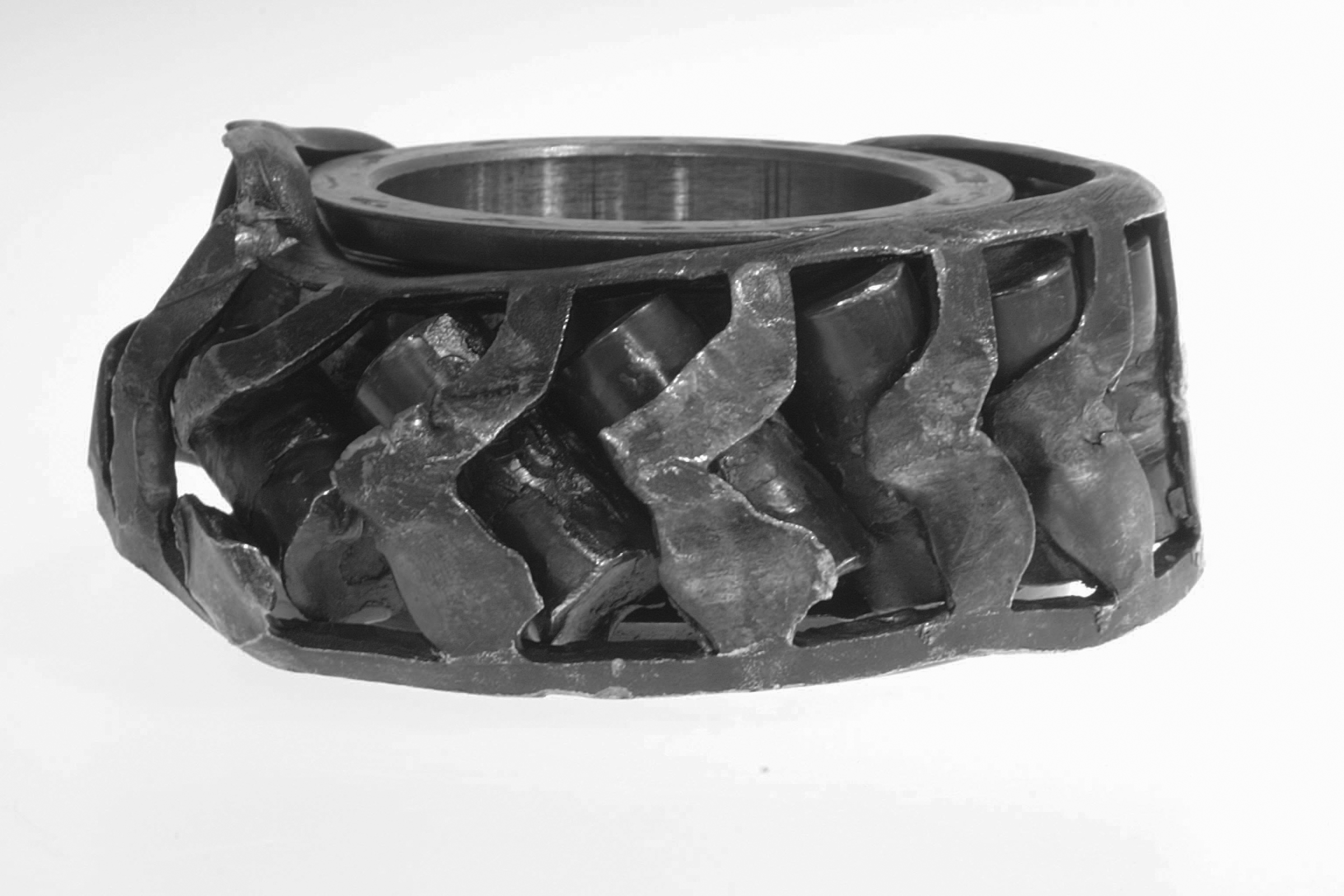 #1: Improper Handling and Installation.Proper bearing care begins when the bearing first arrives at the application site. From the shipping dock, to storage, to installation, proper handling and care is necessary to ensure the bearing will function as intended.
Even the smallest imperfections can shorten a bearing’s lifespan, and many nicks and scratches occur before the bearing is even put into use. Damage can occur when a bearing is in storage; therefore, if stocking bearings prior to needing them on your plant or shop floor, make sure the proper storage techniques are being followed. Don’t remove the bearing from the manufacturer’s original packaging unless absolutely necessary; if it must be removed, store in anticorrosive wrapping, and apply the appropriate preservatives to the bearing first.
When ready to install, cleanliness is critical. Technicians should perform the work in as clean an environment as possible, using clean tools, and should take care not to remove any of the preservative coating. Carelessness is the most common cause of damage to the bearing throughout the installation process. Poor handling while removing the outer races from housings or wheel hubs, for instance, can leave burrs or high spots in outer race seats. Tools can inadvertently gouge housing seats, leaving imperfections that can increase rolling contact stress, limit fatigue life or fracture machine components in the worst cases—all the more reason to ensure your installation processes are conducted with care and precision.
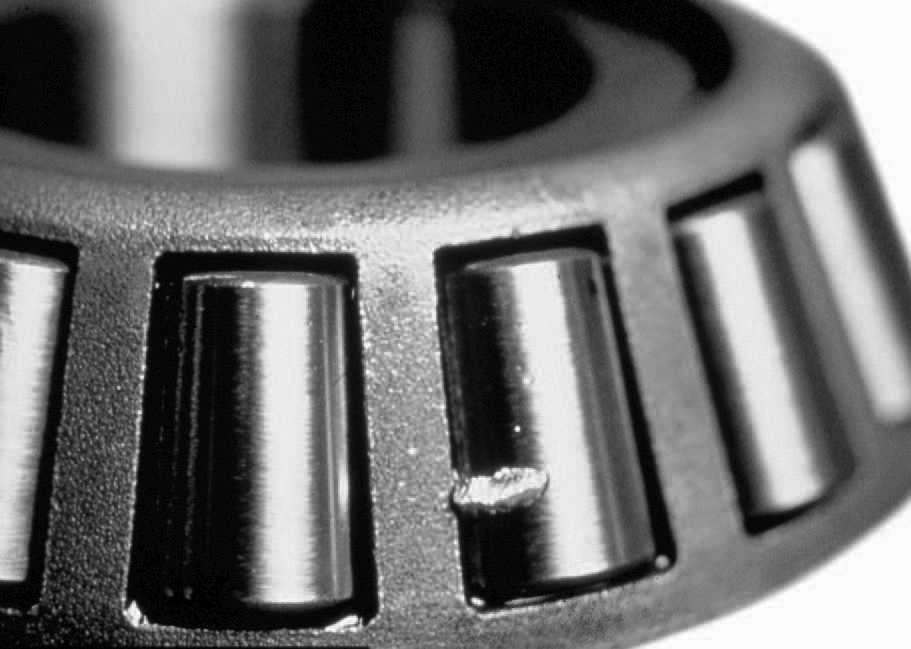 #2: Improper Lubrication.Lubrication is the lifeblood of proper bearing operation, and it is dependent on several variables in any given application.
Most bearing manufacturers and suppliers will recommend a specific lubricant type, grade, supply system, viscosity and additives for the application. They will also provide the amounts of lubricant that should be used and how often it should be changed or replenished. More application-specific recommendations and details including loading, speeds and sealing are often included as well.
Just like the bearings themselves, lubricants must be stored properly. Shelf life, temperature, filtration and other precautions will again be available via your bearing/lubricant supplier.
Technicians should adhere closely to these recommendations—bearing compatibility and performance depend on it. Underfilling and overfilling, mixing and matching lubricants, and changing lubrication at irregular intervals can all result in significant damage that can bring your operations to a standstill.
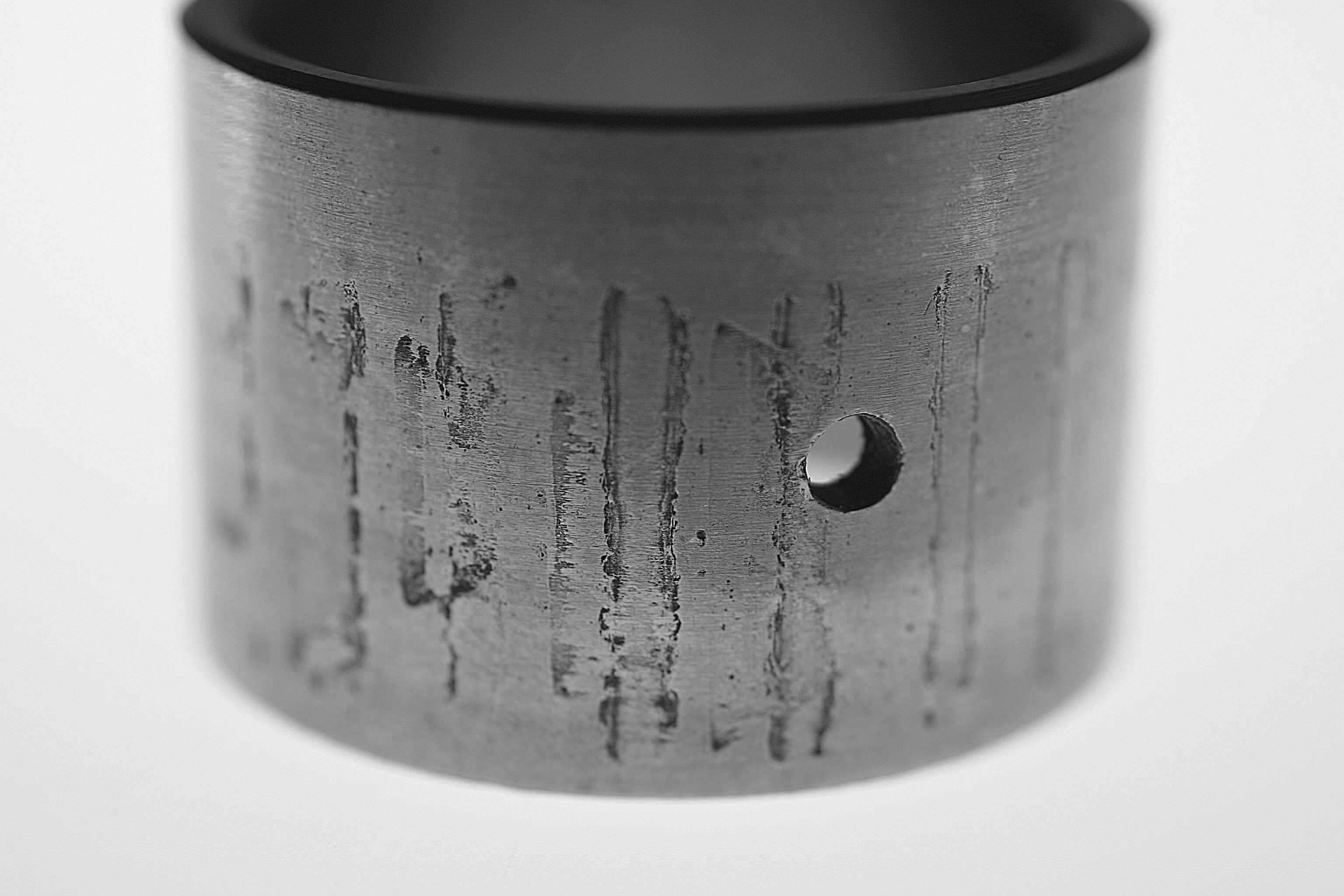 #3: Overheating.A primary function of proper lubrication is to prevent the overheating of bearings and associated components. Overheating can lead to damage and ultimately breakdown for a variety of reasons related to the lubricant. Higher temperatures can be caused by ambient temperatures, process temperatures, and severe operating conditions that can increase rolling contact friction. Likewise, lower ambient temperatures can have a negative effect—lubricant viscosity increases at lower temperatures and can cause improper flow and therefore compromise protective benefits. Your lubricant supplier can provide the ideal operating temperature change.
Technicians can and should do more than simply follow supplier instructions to ensure lubricants are performing properly and keeping their bearings at the appropriate temperatures. Be vigilant about monitoring bearings for heat-related trouble signs that can impact lubrication and ultimately the bearing itself. In order of severity, these symptoms include:
- Bearing discoloration. This will occur as a result of metal-to-metal contact, a sure sign of a lubrication issue. Look for gold and blue discoloration on races and rollers; lubricant staining is common in mild cases, while the metal itself may be discolored by excessive heat in worse cases.
- Peeling and scoring.Marks cut into the metal or peeling metal indicate a more severe lubrication/heat issue and should be addressed immediately.
- Localized scoring.This occurs due to the breakdown of the lubricating film which causes direct contact between components. Address immediately.
- Cumulative wear.High localized heat can alter the geometry of the bearing itself, resulting in a locked-up bearing that can cause significant additional damage.
read the next 3…
Timken
www.timken.com
The post3 bearing killers and how to stop themappeared first onBearing Tips.
Filed Under:Bearing Tips


